Look beneath the behaviour
A meltdown, shutdown, refusal, running away, hiding or becoming very silly may signal overload rather than deliberate misbehaviour. Consider noise, lighting, hunger, pain, tiredness, uncertainty, language demands, social pressure and transitions before deciding how to respond.
Reduce the load
Use fewer words, lower your voice, move other people back, dim lights where possible and remove non-essential demands.
Offer connection without crowding
Stay nearby, use a familiar phrase and allow space. Some children want a hug; others need adults not to touch them. Learn the child's preference when they are calm.
Recover without interrogation
After distress, provide time, water, food, movement or quiet. Discuss what happened later and only if the child can take part safely.
Build a simple regulation plan
Write down early signs that your child is becoming overwhelmed, what usually helps, what makes things worse and how adults should communicate. Include sensory preferences and a clear plan for leaving difficult environments.
Use the same plan at home and share it with nursery, school, clubs and respite providers. Consistency reduces the child's need to teach every adult from the beginning.
Try this today: a low-demand reset
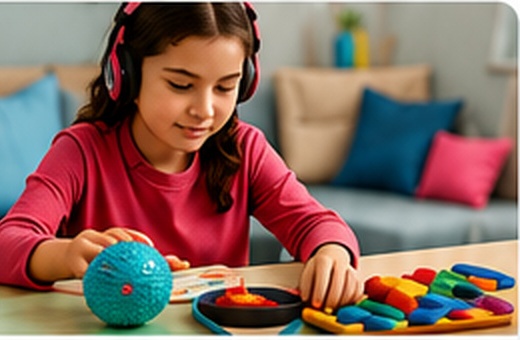
Choose ten minutes when nothing needs to be achieved. Let your child select a quiet, movement-based or sensory activity. Join without directing. This is not a reward for behaviour; it is planned nervous-system care.
When to seek further help
Speak with a GP or relevant professional when distress is frequent, suddenly changes, involves injury, significantly affects sleep or eating, or may be linked to pain or illness. Occupational therapy, speech and language therapy, mental-health support or paediatric assessment may be helpful depending on the concern.