Choose goals that matter to the child
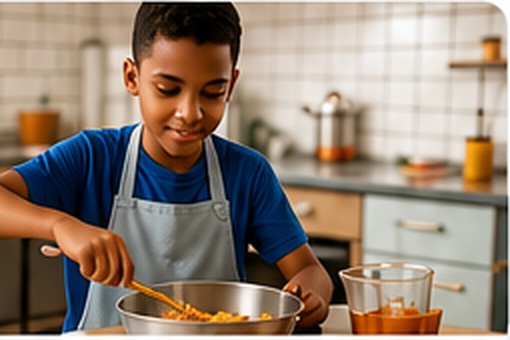
Start with routines that improve comfort, access or participation: choosing clothes, preparing a snack, packing a bag, using the toilet, brushing teeth or travelling safely. Avoid choosing a goal only because other children of the same age can do it.
Break the routine into visible steps
Photograph or write each step. Teach one part at a time and keep the sequence in the place where it is used.
Change the environment before blaming motivation
Try easier fastenings, labelled drawers, a stable seat, quieter timing, adapted cutlery, a timer or fewer items to choose from.
Prompt, then gradually reduce help
Use the least intrusive support that works. Pause before stepping in so the child has a genuine opportunity to continue.
Respect refusal and body autonomy
Self-care teaching must remain respectful. Explain what is happening, provide privacy, offer choices and never use shame. Where health or safety makes a task necessary, keep the approach calm, predictable and proportionate.
A child who can say “no”, “help”, “different”, “finished” and “pain” is developing vital independence and safeguarding skills.
Try this today: one-step ownership
Pick one part of a familiar routine for your child to own. They might press the washing-machine button, put toothpaste on the brush, place one item in the lunch bag or choose between two outfits. Repeat the same opportunity until it feels predictable before adding another step.
Share success properly
Record what support made the task possible, not only whether it was completed. “Used a picture sequence and needed one reminder” is more useful than “managed independently”. This helps family and school build on the same conditions for success.